1 概念
列表 (list) 是一个抽象的数据结构概念,它表示元素的有序集合,支持元素访问、修改、添加、删除和遍历等操作,无须使用者考虑容量限制的问题。列表可以基于链表或数组实现。
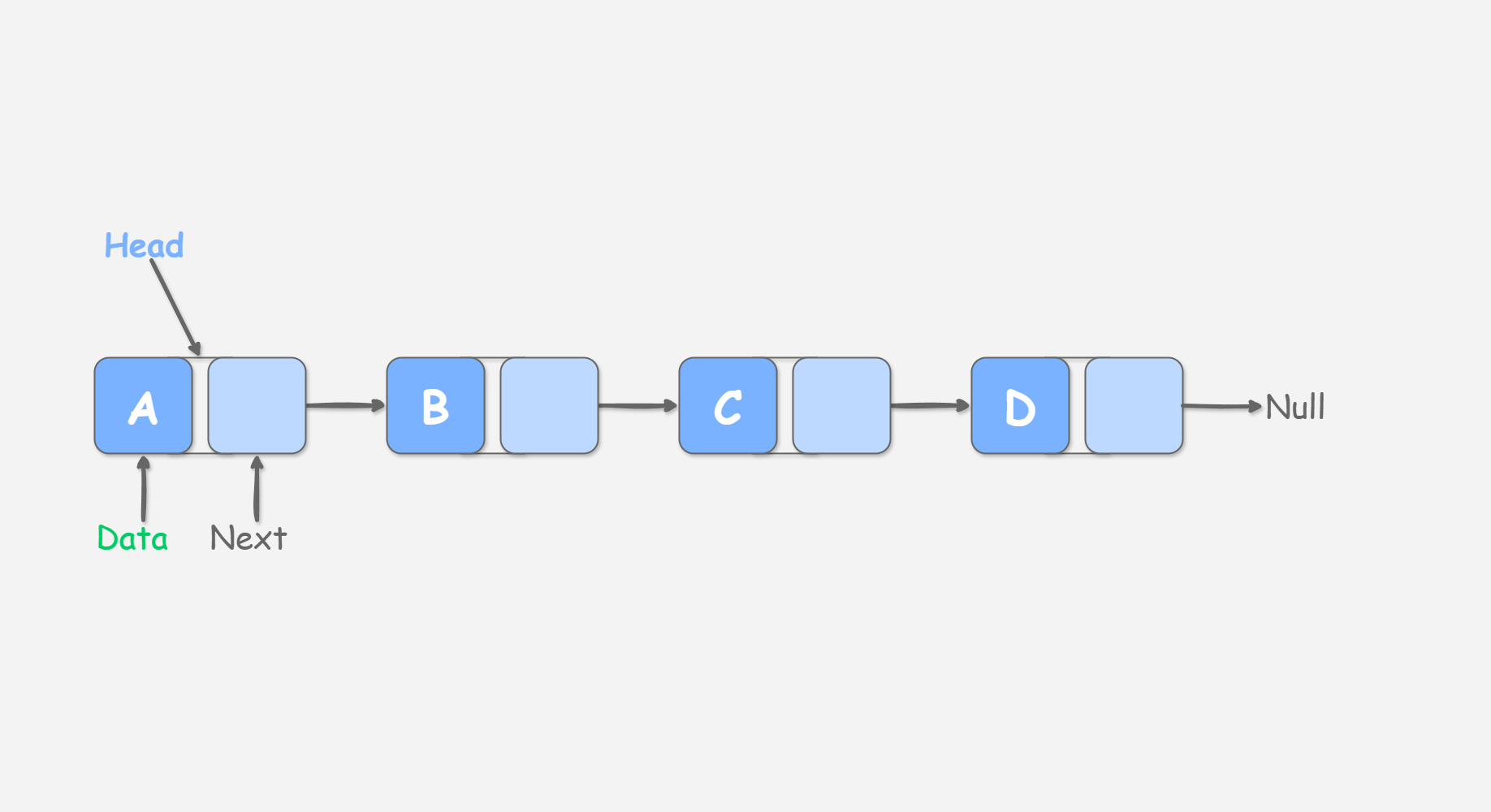
- 链表天然可以看作一个列表,其支持元素增删查改操作,并且可以灵活动态扩容。
- 数组也支持元素增删查改,但由于其长度不可变,因此只能看作一个具有长度限制的列表。
当使用数组实现列表时,长度不可变的性质会导致列表的实用性降低。这是因为我们通常无法事先确定需要存储多少数据,从而难以选择合适的列表长度。若长度过小,则很可能无法满足使用需求;若长度过大,则会造成内存空间浪费。
为解决此问题,我们可以使用动态数组 (dynamic array) 来实现列表。它继承了数组的各项优点,并且可以在程序运行过程中进行动态扩容。
实际上,许多编程语言中的标准库提供的列表是基于动态数组实现的,例如 Python 中的 list 、 Java 中的 ArrayList 、 C++ 中的 vector 和 C# 中的 List 等。在接下来的讨论中,我们将把“列表”和“动态数组”视为等同的概念。
2 列表常用操作
2.1 初始化列表
我们通常使用“无初始值”和“有初始值”这两种初始化方法:
1
2
3
4
5
|
nums1: list[int] = []
nums: list[int] = [1, 3, 2, 5, 4]
|
2.2 访问元素
列表本质上是数组,因此可以在 O(1) 时间内访问和更新元素,效率很高。
1
2
3
4
5
|
num: int = nums[1]
nums[1] = 0
|
2.3 插入与删除元素
相较于数组,列表可以自由地添加与删除元素。在列表尾部添加元素地时间复杂度为 O(1) ,但插入和删除元素地效率仍然与数组相同,时间复杂度为 O(n) 。
1
2
3
4
5
6
7
8
9
10
11
12
13
14
15
|
nums.clear()
nums.append(1)
nums.append(3)
nums.append(2)
nums.append(5)
nums.append(4)
nums.insert(3, 6)
nums.pop(3)
|
2.4 遍历列表
与数组一样,列表可以根据索引遍历,也可以直接遍历各元素。
1
2
3
4
5
6
7
8
|
count = 0
for i in range(len(nums)):
count += nums[i]
for num in nums:
count += num
|
2.5 拼接列表
给定一个新列表 nums1 ,我们可以将其拼接到原列表地尾部。
1
2
3
|
nums1: list[int] = [6, 8, 7, 10, 9]
nums += nums1
|
2.6 排序列表
完成列表排序后,我们便可以使用在数组类算法题中经常考查的“二分查找”和“双指针”算法。
3 列表实现
许多编程语言内置了列表,例如 Java 、 C++ 、 Python 等。它们的实现比较复杂,各个参数的设定也非常考究,例如初始容量、扩容倍数等。感兴趣者可查阅源码进行学习。
为了加深对列表工作原理的理解,我们尝试实现一个简易版列表,包括以下三个重点设计。
- 初始容量: 选取一个合理的数组初始容量。在本示例中,我们选择 10 作为初始容量。
- 数量记录: 声明一个变量
size ,用于记录列表当前元素容量,并随着元素插入和删除实时更新。根据此变量,我们可以定位列表尾部,以及判断是否需要扩容。
- 扩容机制: 若插入元素时列表容量已满,则需要进行扩容。先根据扩容倍数创建一个更大的数组,再将当前数组的所有元素依次移动至新数组。在本示例中,我们规定每次将数组扩容至之前的 2 倍。
1
2
3
4
5
6
7
8
9
10
11
12
13
14
15
16
17
18
19
20
21
22
23
24
25
26
27
28
29
30
31
32
33
34
35
36
37
38
39
40
41
42
43
44
45
46
47
48
49
50
51
52
53
54
55
56
57
58
59
60
61
62
63
64
65
66
67
68
69
70
71
72
73
74
75
76
77
78
79
80
81
82
83
84
85
86
87
88
89
90
91
92
93
94
95
96
97
98
99
100
101
102
103
104
|
typedef struct {
int *arr;
int capacity;
int size;
int extendRatio;
} MyList;
MyList *newMyList() {
MyList *nums = malloc(sizeof(MyList));
nums->capacity = 10;
nums->arr = malloc(sizeof(int) * nums->capacity);
nums->size = 0;
nums->extendRatio = 2;
return nums;
}
void delMyList(MyList *nums) {
free(nums->arr);
free(nums);
}
int size(MyList *nums) {
return nums->size;
}
int capacity(MyList *nums) {
return nums->capacity;
}
int get(MyList *nums, int index) {
assert(index >= 0 && index < nums->size);
return nums->arr[index];
}
void set(MyList *nums, int index, int num) {
assert(index >= 0 && index < nums->size);
nums->arr[index] = num;
}
void add(MyList *nums, int num) {
if (size(nums) == capacity(nums)) {
extendCapacity(nums);
}
nums->arr[size(nums)] = num;
nums->size++;
}
void insert(MyList *nums, int index, int num) {
assert(index >= 0 && index < size(nums));
if (size(nums) == capacity(nums)) {
extendCapacity(nums);
}
for (int i = size(nums); i > index; --i) {
nums->arr[i] = nums->arr[i - 1];
}
nums->arr[index] = num;
nums->size++;
}
int removeItem(MyList *nums, int index) {
assert(index >= 0 && index < size(nums));
int num = nums->arr[index];
for (int i = index; i < size(nums) - 1; i++) {
nums->arr[i] = nums->arr[i + 1];
}
nums->size--;
return num;
}
void extendCapacity(MyList *nums) {
int newCapacity = capacity(nums) * nums->extendRatio;
int *extend = (int *)malloc(sizeof(int) * newCapacity);
int *temp = nums->arr;
for (int i = 0; i < size(nums); i++)
extend[i] = nums->arr[i];
free(temp);
nums->arr = extend;
nums->capacity = newCapacity;
}
int *toArray(MyList *nums) {
return nums->arr;
}
|
1
2
3
4
5
6
7
8
9
10
11
12
13
14
15
16
17
18
19
20
21
22
23
24
25
26
27
28
29
30
31
32
33
34
35
36
37
38
39
40
41
42
43
44
45
46
47
48
49
50
51
52
53
54
55
56
57
58
59
60
61
62
63
64
65
66
67
68
69
70
71
72
73
74
75
76
| class MyList:
"""列表类"""
def __init__(self):
"""构造方法"""
self._capacity: int = 10
self._arr: list[int] = [0] * self._capacity
self._size: int = 0
self._extend_ratio: int = 2
def size(self) -> int:
"""获取列表长度(当前元素数量)"""
return self._size
def capacity(self) -> int:
"""获取列表容量"""
return self._capacity
def get(self, index: int) -> int:
"""访问元素"""
if index < 0 or index >= self._size:
raise IndexError("索引越界")
return self._arr[index]
def set(self, num: int, index: int):
"""更新元素"""
if index < 0 or index >= self._size:
raise IndexError("索引越界")
self._arr[index] = num
def add(self, num: int):
"""在尾部添加元素"""
if self.size() == self.capacity():
self.extend_capacity()
self._arr[self._size] = num
self._size += 1
def insert(self, num: int, index: int):
"""在中间插入元素"""
if index < 0 or index >= self._size:
raise IndexError("索引越界")
if self._size == self.capacity():
self.extend_capacity()
for j in range(self._size - 1, index - 1, -1):
self._arr[j + 1] = self._arr[j]
self._arr[index] = num
self._size += 1
def remove(self, index: int) -> int:
"""删除元素"""
if index < 0 or index >= self._size:
raise IndexError("索引越界")
num = self._arr[index]
for j in range(index, self._size - 1):
self._arr[j] = self._arr[j + 1]
self._size -= 1
return num
def extend_capacity(self):
"""列表扩容"""
self._arr = self._arr + [0] * self.capacity() * (self._extend_ratio - 1)
self._capacity = len(self._arr)
def to_array(self) -> list[int]:
"""返回有效长度的列表"""
return self._arr[: self._size]
|